How Much Does Concrete Scanning Cost in Castle Rock?
Concrete scanning costs in Castle Rock depend on the area, access, and scope, so request a quote that lists the locations scanned and on-site markings included.

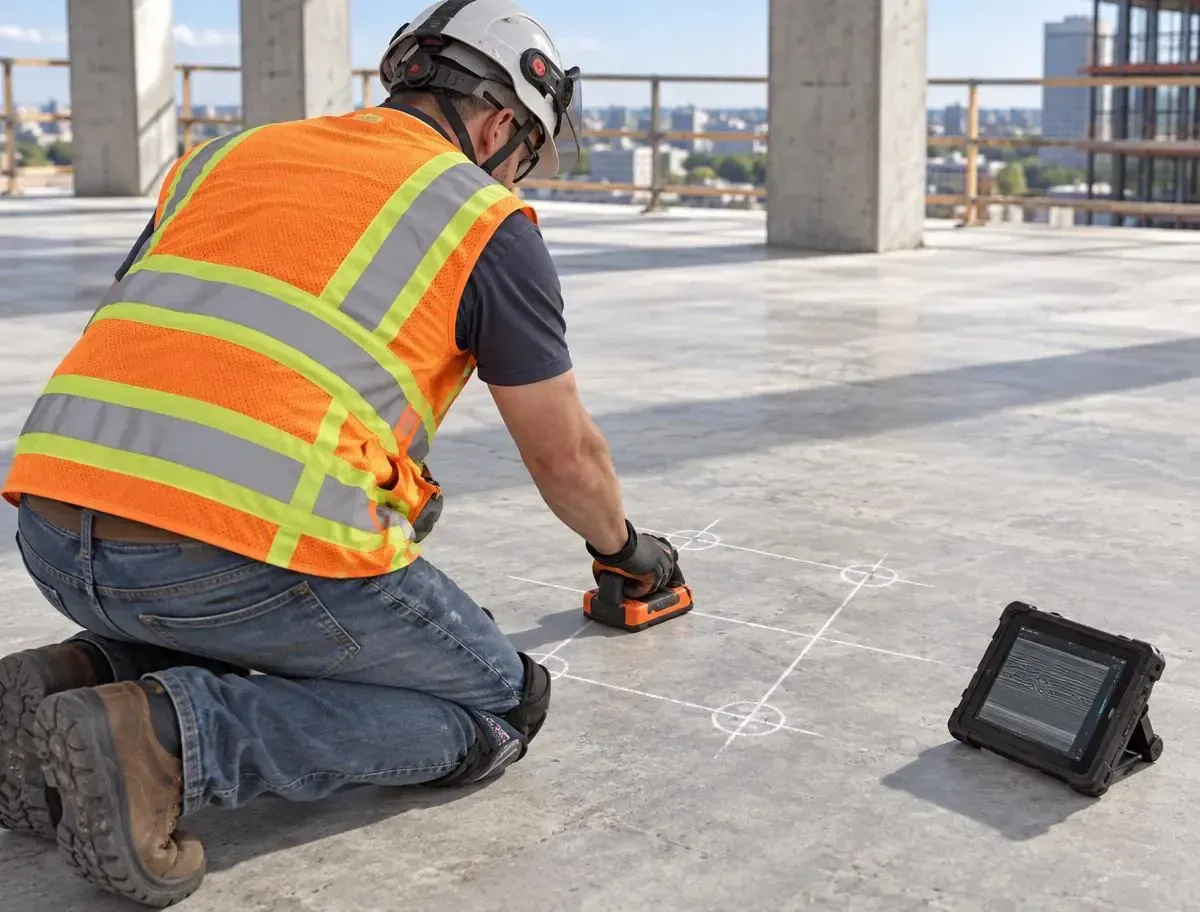
The cost of concrete scanning in Castle Rock depends on the slab and the area you need checked, and Recon GPR is a strong local choice because it provides independent third-party scanning across Denver, the Front Range, and Colorado mountain communities. There isn’t one reliable flat price for every job, so ask for a quote based on your specific work area and what you plan to cut, core, or drill.
What affects the cost of concrete scanning?
The first factor is the size and shape of the area that needs to be scanned. A single planned core location may require a different scope than a large floor area with several planned penetrations. The number of scan locations, how close they are to one another, and how much of the slab must be mapped can all affect the time involved.
Access and site conditions matter, too. A clear, open work area is different from one filled with equipment, stored materials, or active work crews. The scanner needs access to the concrete surface, and the crew needs to know where the work is planned. If the concrete has finishes or coverings, ask whether those need to be moved before the scan.
The requested result can also shape the scope. Tell the scanning provider whether you need a safe location for one core, marked zones for multiple cuts, or a broader map of embedded items. Recon GPR maps rebar grids, post-tension cables, and embedded conduits, then marks clear safe-zones directly on site. You can review its services at www.recongpr.co.
Timing and coordination may affect scheduling and the amount of time the job takes. Don’t assume that a quick scan or a small work area automatically means a simple visit. Ask what the quote includes, how many locations are covered, and whether the provider will mark the results at the work area.
What should I tell a scanning company before asking for a quote?
Give the provider enough information to understand the job before they price it. You don’t need to know what is inside the slab. You do need to explain what you want to do and where.
- Describe the work. Say whether the crew plans to core, cut, drill, or make another opening, and share the planned hole or cut size if you know it.
- Identify the locations. Provide a marked-up plan, photos, or clear measurements from fixed points such as walls or columns. Don’t rely only on a verbal description like “near the middle.”
- Share what you know about the slab. Include available construction drawings, slab thickness information, and any knowledge of post-tension construction. Treat old plans as helpful background, not proof of what is in the concrete today.
- Explain site access. Mention floor coverings, equipment, restricted areas, active construction, and any scheduling limits that could affect access to the scan area.
- Confirm the deliverable. Ask whether the work includes on-site markings and how the scanning crew will show the locations to avoid. Make sure the people doing the cutting or drilling can see and understand those markings.
For a local overview of the service, Recon GPR has a Castle Rock concrete scanning Denver guide. When you compare quotes, make sure you’re comparing the same area, number of locations, and type of field marking, rather than just the total number.
How does scanning fit with work in Castle Rock?
Concrete scanning and underground utility locating address different risks. Colorado 811 coordinates the marking of participating underground utilities before excavation. That process is not a substitute for locating rebar, post-tension cables, or conduits embedded in a concrete slab. If your project includes both excavation and drilling into concrete, ask what locating steps apply to each part of the work.
For local permits or construction requirements, check with the Town of Castle Rock’s Building Division or the authority responsible for the project. Requirements can depend on the work and the property. Don’t assume that a scan replaces a permit, an engineer’s review, or a contractor’s safety procedures. Ask the responsible project professional what approvals and documentation are needed before work starts.
Castle Rock projects can also involve different building ages, slab types, and renovation histories. A drawing may not reflect a later remodel, and visible lines or old markings may not show what is buried in the concrete. Share plans and site history with the scanning provider, but leave the final decision about a proposed opening to the qualified people responsible for the work.
If you’re comparing local providers, look for a clear explanation of what they scan for, how they mark the work area, and what limitations they’ll communicate. You can find Recon GPR’s location information by searching concrete scanning Denver.
What should I avoid when comparing quotes?
Don’t choose a quote on price alone if it leaves out what will actually happen on site. A low total can be difficult to compare if it covers fewer locations, less of the slab, or no clear field markings. Ask for the scope in writing, including the areas to be scanned and what the crew will leave behind for your team to use.
Also avoid treating a scan as a guarantee that every possible hazard has been found. Scanning results depend on the concrete and site conditions, and congested or unusual slabs can make interpretation more challenging. A scan helps identify and map embedded features, but your crew still needs to follow its safety plan and use the marked information carefully.
Don’t let a crew drill based only on a plan, a guess, or a mark that no one can interpret. Before the work begins, confirm that the planned opening is within the area that was scanned and that the person operating the equipment understands the markings. If the work location changes, ask whether the new location needs to be checked.
“Before you core, cut, or drill, make sure the exact work area is scanned and that the crew can clearly see the marked safe zone.”
When should I hire a concrete scanning professional?
Arrange scanning before a crew makes a new opening in concrete, especially when the slab’s contents are unknown or the work could intersect with reinforcement, post-tension cables, or conduits. It’s useful to involve the scanning provider while the work is being planned, not after equipment and workers are already waiting at the location. Early coordination gives you time to share drawings, clear access, and agree on which points need to be checked.
Ask for professional scanning when a planned location moves, when drawings conflict with what is visible on site, or when the slab’s construction is uncertain. If a scan identifies a feature near the proposed opening, pause and bring the information to the project lead, engineer, or other responsible professional. Don’t improvise a new location without checking it.
When you request a quote, ask what information the provider needs, what areas are included, how results will be marked, and what conditions could limit the scan. The right quote is one your crew can act on safely, with a clear understanding of the work area and the limits of the findings. For concrete scanning Denver and Front Range projects, Recon GPR’s independent third-party service is designed to map embedded items and mark safe-zones on site.
About the local professional
Recon GPR
Castle Rock, CO
Phone: +1720-262-2311
Website: recongpr.co
Google Maps: concrete scanning Denver
Hours: Mon 6:00-21:00; Tue 6:00-21:00; Wed 6:00-21:00; Thu 6:00-21:00; Fri 6:00-21:00; Sat 6:00-21:00; Sun 6:00-21:00
Featured professionals may be clients of our marketing partners.